Basis weight (GSM)
Mass per unit area, typically expressed in g/m² (GSM). On its own, it does not define thickness or functional performance.

Basis weight (GSM), thickness, hand feel, surface finish, and application. Let’s review the core parameters needed to specify a technical inquiry.
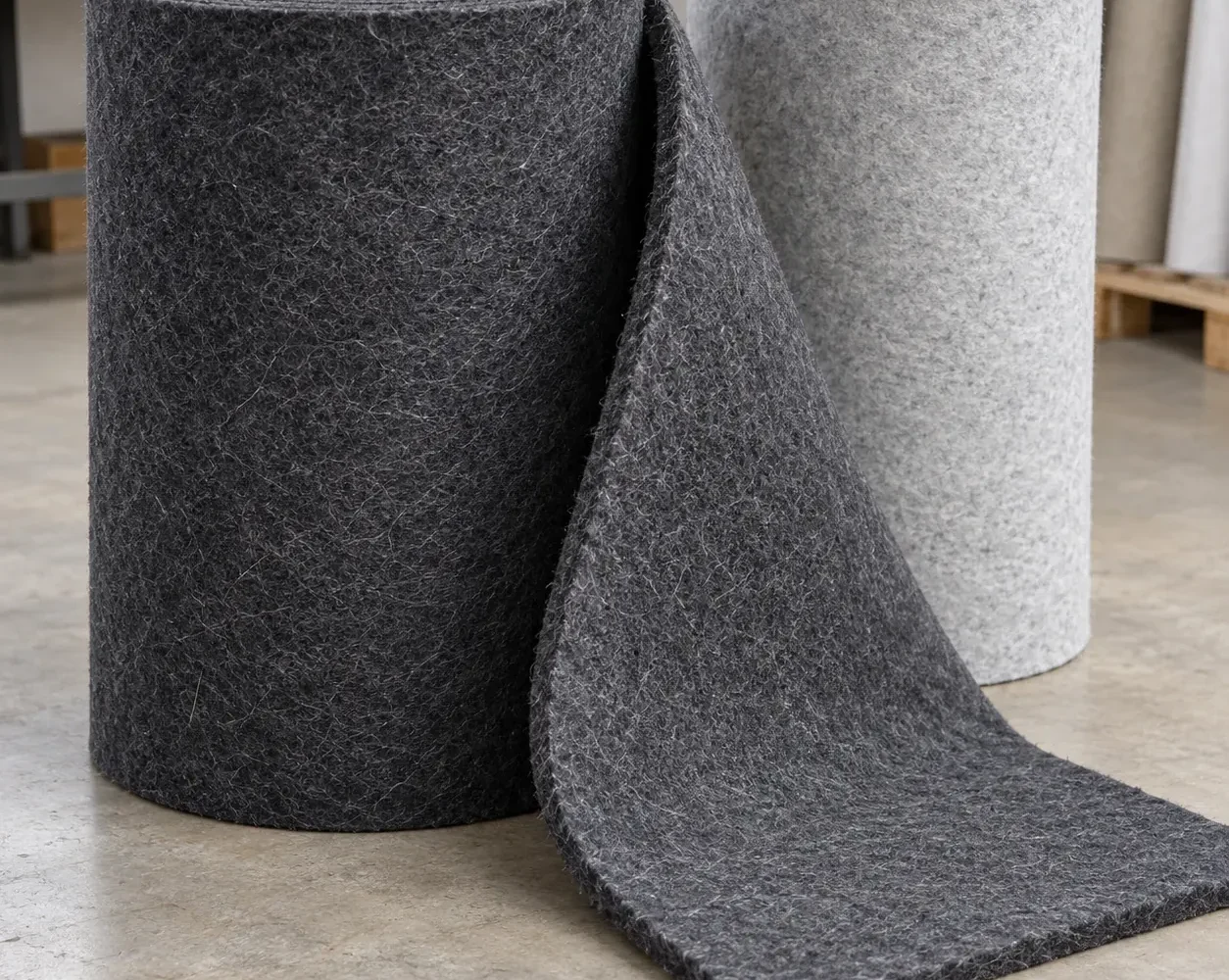
Mass per unit area, typically expressed in g/m² (GSM). On its own, it does not define thickness or functional performance.
The cross-sectional dimension of the material. Measurement pressure and compression behavior can influence the reading.
The loft, rigidity, or softness of the material is considered together with the requirements of the application.
Natural, synthetic, or blended fibers influence surface behavior. Selection is based on operating conditions.
Surface uniformity, coating, or secondary finishing expectations are defined through a physical sample.
Part geometry, dimensions, and acceptable tolerances are clearly specified in the production inquiry.
Where will it be used? Which surface will it contact? What problem is it expected to solve?
What are the preferred dimensions, quantity, and roll or sheet format? What are the target basis weight (GSM) and thickness, if known?
Do you have a physical sample, drawing, color reference, or required test and certification details?
Tell us about the application area, the surface the material will contact, and the requirement you want to solve. Attach an existing sample or technical drawing to your inquiry if available. You can start a technical evaluation even without knowing a specific product name.
No. Basis weight (GSM) refers to mass per unit area (g/m²), whereas thickness is the cross-sectional dimension of the material (mm). Surfaces of the same thickness can have very different densities. Both values are evaluated together in the context of operating conditions.
The application area, target dimensions and quantity, basis weight or thickness (if known), and color and surface finish expectations provide a solid starting point. You can leave any unknown fields blank.
You can submit your inquiry along with a color reference, target dimensions, and estimated quantity. Manufacturability, tolerances, and order terms are finalized following sample evaluation.
They vary depending on product type, custom manufacturing requirements, order volume, and the production schedule. Exact terms are provided in writing at the quotation stage.
Cutting requirements can be evaluated based on a die pattern or technical drawing. Specify part dimensions, quantity, tolerances, and edge quality expectations in your inquiry.
Describe your application area. Let’s start selecting the right material together.