Fiber preparation
Fiber composition and blend requirements are evaluated according to the target application. The preparation stage is critical for a homogeneous web.

We do not view a material as a single isolated stage. From defining the need and approving the sample to surface structure and cutting details, every decision shapes the next step.
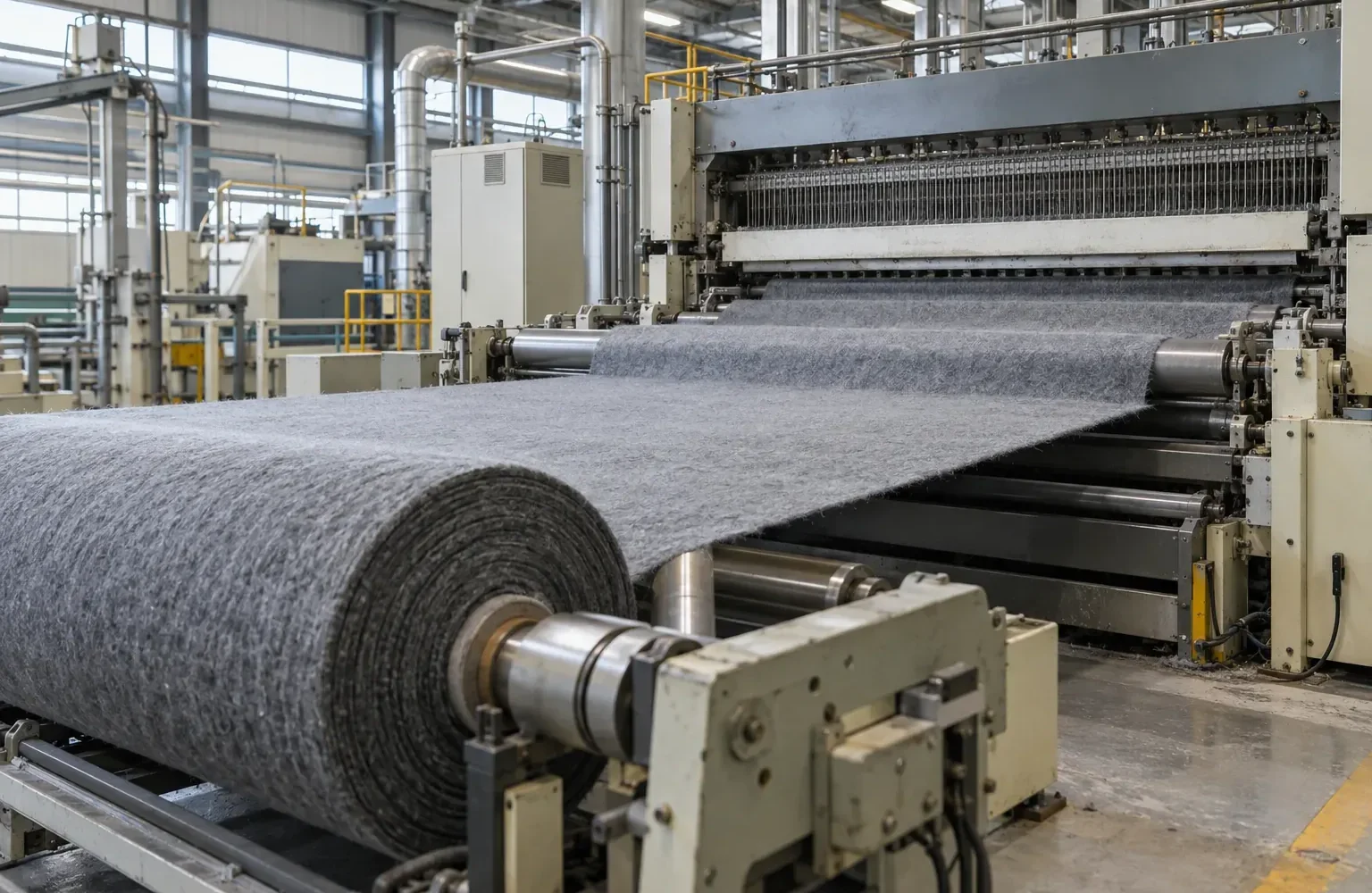
Processes that vary by product type all converge on a shared goal: material engineered for its intended use.
Fiber composition and blend requirements are evaluated according to the target application. The preparation stage is critical for a homogeneous web.
Fiber distribution across the web and layer orientation are formed. Target basis weight and structure guide the planning of this stage.
The appropriate bonding method is selected according to the product structure. Choosing between mechanical (needle-punch) or thermal bonding depends on performance expectations.
Hand feel, surface uniformity, or required secondary finishing are addressed together with the sample reference.
Roll, sheet, or die-cut part requirements are planned together with dimensions, tolerances, and packaging specifications.
Order reference, dimensions, and packaging details are verified together during final inspection to complete dispatch preparation.
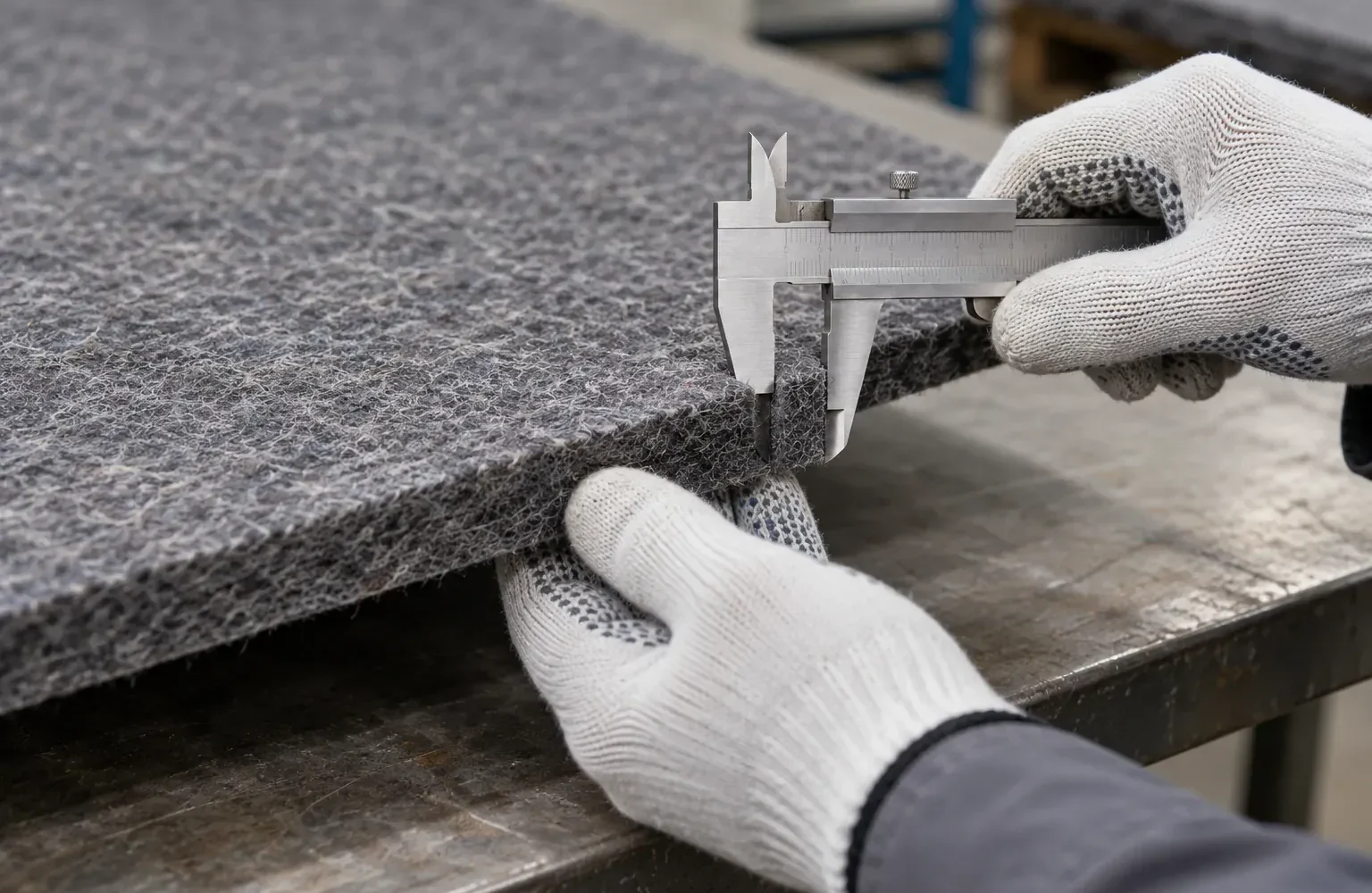
Basis weight, thickness, surface, color, and dimensions. The process moves much more clearly when the evaluation criteria for the material are defined at the sampling stage.
Our quality approachSpecify roll width, part length, and cutting details according to your production needs. A technical drawing facilitates evaluation.
Compare the soft, firm, or calendered/compacted appearance of the material using a physical sample.
Align shade, surface appearance, and application requirements around the same physical reference.
Describe your application area. Let’s start selecting the right material together.